Donny Ray Black
The RainmakerDonny Ray Black is the dying son at the center of his family’s dispute with Great Benefit Life Insurance Company, but he is more than the loss around which the lawsuit turns. Diagnosed with acute leukemia while insured, he needs a bone marrow transplant that his identical twin can provide. As the insurer repeatedly refuses coverage, Donny Ray helps his parents pursue a claim, speaks plainly about what the delay has cost, and asks Rudy Baylor to look after his family. His testimony is recorded before his death and played to the jury, making his experience—not only the policy language—the measure of the case.
Identity and Background
Donny Ray lives with his parents, Dot Black and Buddy Black, in Granger. He has never left home. Three years before Rudy meets the family, he finished high school at nineteen; he later worked for two years as a convenience-store clerk, leaving after a robbery. His work history is limited, and he has never earned more than minimum wage. He did not attend college.
His identical twin, Ronny Ray Black, took a different path. Ronny Ray graduated high school a year earlier, made his way through college, and was in graduate school in Houston. The brothers were not close: Donny Ray tended to stay indoors, read, and build model airplanes, while Ronny Ray was more outward-going. Yet their physical similarity has a crucial medical consequence. Ronny Ray is a perfect bone-marrow match for his brother, a fact the family can document.
The Black family bought its Great Benefit medical policy when the twins were seventeen. Dot says the family never missed a premium. Donny Ray’s circumstances thus make the dispute concrete: he is not someone who lacked insurance altogether, but a covered family member whose treatment the family believes the policy should pay for. His case turns on the distance between paying for protection and being able to obtain it when illness arrives.
Illness and the Denied Treatment
Donny Ray’s acute leukemia was detected about eight months before Dot first explains the case to Rudy. The doctors initially gave him about a year, but the transplant did not happen. Dot says the procedure would cost roughly $150,000, beyond the family’s means, and that Great Benefit refused to pay. Later, Donny Ray describes the transplant as the treatment that would have saved his life; he recalls that it was identified in time and that Ronny Ray was an identical match. By the time he speaks with Rudy, he believes the opportunity has passed.
Great Benefit’s explanations change across its letters. The company invokes Donny Ray’s status as an adult dependent, a preexisting condition, and the claim that bone marrow transplants are not covered or are too experimental. Dot disputes those reasons: she has read the policy repeatedly and says it does not end his coverage when he becomes an adult, while the policy does not expressly exclude bone marrow transplants. At trial, the policy’s omission of that specific exclusion becomes important. The dispute is therefore not simply about a family’s inability to afford treatment; it is also about what the insurer promised, what its paperwork said, and how its stated reasons for refusing the claim shifted.
The delay shapes Donny Ray’s experience as well as the legal record. He later tells Rudy that eleven months earlier he weighed 160 pounds and that he now weighs 110. He estimates that he is about 80 percent gone, and says that six months earlier he would have had a 90 percent chance of being cured by transplant. Those figures are his account of how quickly the available chance narrowed. They give the legal argument a stark human scale: the family’s claim concerns treatment that, in his understanding, might once have changed the outcome but can no longer do so.
His Family and Rudy Baylor
When Rudy first hears Dot describe the case, Donny Ray is not present. Buddy listens and cries, while Dot explains the family’s finances, the transplant, and the refusals. Rudy later visits the Black home to discuss taking the case. Donny Ray is brought into the kitchen, where he greets Rudy and tells him that his mother has said he intends to make Great Benefit pay. His words are weak, but his interest in the lawsuit is clear.
Donny Ray takes part in the practical decision to retain Rudy. When Buddy will not come inside to sign the agreement, Donny Ray insists that Dot take the papers out to the car. He explains that the family has had to arrange for Buddy to sign documents there before. On an earlier occasion, a notary made a house call; when the notary approached Buddy in the car, the family cat attacked and the visit brought an additional medical bill. The episode reveals the awkward routines the family has built around Buddy’s withdrawal, but it also shows Donny Ray directing his mother toward what needs to be done. Dot returns with Buddy’s signature, and she and Donny Ray sign as well.
Although he is physically frail, Donny Ray is attentive to how the case may affect his parents. During a later conversation about Great Benefit’s $75,000 settlement offer, he considers what his parents could do with the portion remaining after Rudy’s fee: pay off the house, replace their car, and set money aside for old age. Dot does not want the insurer’s money. Donny Ray then asks Rudy whether he wants to settle. Rudy says no, explaining that he wants the company’s conduct exposed. The exchange puts Donny Ray’s concern for his family beside the larger legal purpose of the case: compensation matters, but so does making the insurer answer for its decisions.
Rudy’s relationship with Donny Ray becomes more personal during a visit in which he takes him out of the house for the first time in months. Donny Ray uses a cane and needs support getting to the car. Rudy drives him to Miss Birdie’s house, where she welcomes him and makes him comfortable in the shade. The outing gives Donny Ray a brief change of surroundings, while also connecting him to the informal circle of people who gather around Rudy. It is a small episode, but it shows him being included as a person rather than encountered only through medical records or claims letters.
Testimony Before the Trial
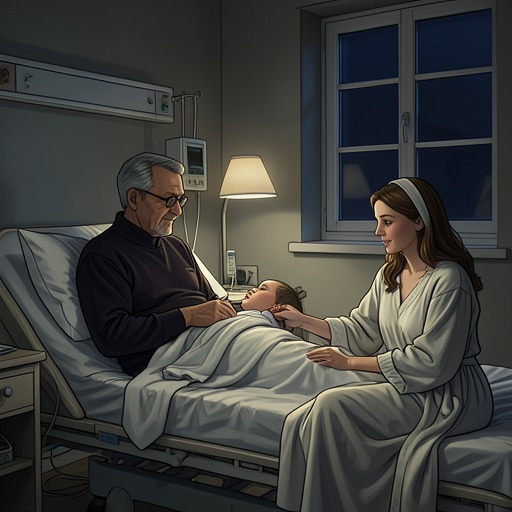
As Donny Ray’s condition worsens, Rudy visits him at home. On one late-September visit, Dot says he has not eaten that day and has needed medication for pain. Rudy sits with him as the room grows dark, watching for signs that he is still breathing. The scene sharpens Rudy’s understanding of the case: the contractual question is unfolding beside a life that is nearly over. Donny Ray’s continued presence is fragile, and the lawsuit cannot wait for an ordinary trial timetable to make his experience heard.
Judge Tyrone Kipler allows Donny Ray’s deposition to be recorded at home beneath an oak tree. The recording is intended for the jury because he may not live until trial. Donny Ray promises to tell the truth and answers Rudy’s questions in front of the camera; the deposition is also recorded stenographically. The scene preserves his testimony in two forms, but the video is especially consequential because the jury will be able to see him rather than encounter him only as a name in the policy file. Dot watches nearby while Rudy and the lawyers conduct the examination.
Donny Ray dies before trial. Dot tells Rudy that he went to sleep and did not wake. The next day, Kipler postpones scheduled depositions so Rudy can attend the funeral, where he serves as one of the pallbearers. The death changes the case’s practical and emotional stakes: Donny Ray can no longer testify in person, but the earlier recording gives his account a place in the proceedings. His death is neither a surprise to the family nor an abstract detail for the lawsuit; it is the outcome the requested treatment was meant to prevent.
The Recording and the Case’s Meaning
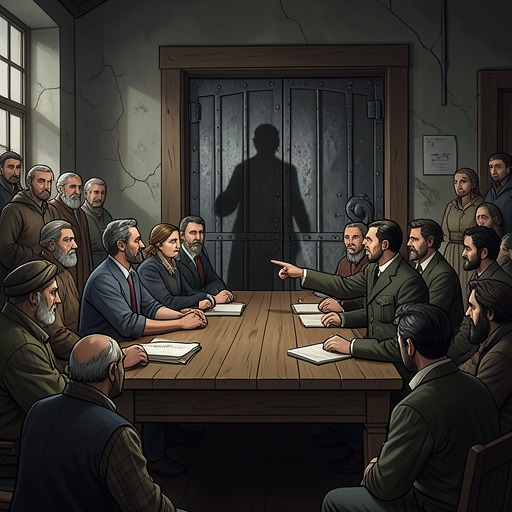
At trial, Rudy’s case presents the policy, Great Benefit’s repeated denial letters, and testimony about the insurer’s handling of claims. Donny Ray’s deposition is edited to thirty-one minutes and played to the jury on courtroom screens. The jurors lean forward and watch; the courtroom becomes quiet when the recording ends. Dot cries, and Rudy describes the recording as having made the damage he can present. It gives the jury a direct view of the person behind the disputed claim, while the documents establish the sequence of reasons used to deny it.
The recording also distinguishes Donny Ray’s role from that of a passive symbol of illness. He had already explained the match, the missed opportunity, and the effect of delay to Rudy. At home, he had helped ensure that his parents signed the representation agreement; during the settlement discussion, he considered their needs and asked his lawyer to make a choice. His testimony carries the same personal knowledge into court. The case’s institutional evidence may explain how Great Benefit handled claims, but Donny Ray’s recorded presence shows what that process meant for one insured person.
The jury awards the Black family $200,000 in actual damages and $50 million in punitive damages, a verdict described as the largest in Tennessee’s history at that point. Rudy writes Donny Ray’s name on his legal pad and recalls him at a softball game, sitting in a folding chair and eating popcorn. The memory stands apart from the courtroom’s figures: the verdict measures liability and punishment, while the remembered scene restores a particular life to the case. Later, the financial collapse surrounding Great Benefit threatens the practical value of the award, underscoring the difference between winning a judgment and securing the treatment that could have mattered while Donny Ray was alive.
Narrative Role
Donny Ray’s story joins a medical emergency to a dispute over insurance language and corporate conduct. His illness makes the cost of delay immediate; the shifting denial explanations give the litigation its documentary trail; and his recorded testimony carries both into the courtroom. The sequence moves from a family trying to obtain treatment, to a son helping his parents retain counsel, to a witness whose voice and image remain after his death.
The novel also places his experience against the broader abundance of medical expertise and facilities Rudy observes around him. Donny Ray’s family has a policy, a suitable donor, and medical evidence, yet none of these secures the transplant. That contrast supports the book’s central criticism of a system in which formal coverage can fail at the moment it is most needed. Donny Ray’s significance lies in the particularity of his circumstances: a young man with a twin who can donate, a treatment his family cannot pay for alone, and a recorded account that lets the jury confront what the denials have meant.